Private Label Is How Most Independent Brands Actually Start
If you’ve looked into launching a clothing brand, you’ve probably seen “private label” mentioned everywhere without a clear explanation of what it actually means or how it’s different from other manufacturing paths. This confusion causes real problems: founders either overpay for fully custom development they didn’t need, or underestimate what a manufacturer can realistically deliver.
Here’s what private label manufacturing actually involves, how it compares to the alternatives, and what to expect from the process.
What Private Label Actually Means
In private label manufacturing, the manufacturer already has base patterns, fabric sourcing relationships, and production capacity for certain garment types — hoodies, tees, tracksuits, and similar staples. You bring:
- Your design direction. Fit adjustments, colorways, graphics, and placement.
- Your branding. Logo, custom woven or printed labels, neck tags.
- Your packaging. Polybags, boxes, hang tags, inserts.
The manufacturer handles fabric sourcing, cutting, sewing, and finishing based on your specifications applied to their existing production process. This is different from designing an entirely new pattern from a blank page, which is a longer and more expensive process known as cut-and-sew manufacturing.
Private Label vs. Custom Cut-and-Sew
| Factor |
Private Label |
Custom Cut-and-Sew |
| Pattern development |
Uses existing base patterns |
Built from scratch |
| Timeline |
Generally faster |
Longer development cycle |
| Cost |
Lower entry cost |
Higher due to pattern development |
| Design freedom |
Customization within existing silhouettes |
Full creative control over fit and construction |
| Best for |
Most independent brands starting out |
Brands with a very specific, non-standard silhouette |
What You Can Actually Customize
Private label doesn’t mean generic. Depending on the manufacturer, customization typically includes:
- Fabric weight and blend within what the manufacturer sources
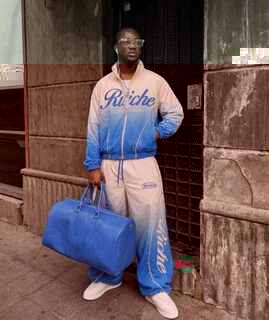
- Colorways including custom dye or ombre effects
- Fit adjustments like oversized, boxy, or cropped variations of a base pattern
- Branding placement — embroidery, puff print, screen print, patches
- Labels — custom woven labels, printed neck tags, care labels
- Packaging — polybags, branded boxes, hang tags, inserts
What you generally can’t change in a private label arrangement is the underlying pattern construction itself — that’s the line between private label and full cut-and-sew.
The Typical Private Label Process
- 1. Share your design direction — colors, fit references, branding placement
- 2. Confirm fabric and specs — GSM, blend, available colorways
- 3. Approve a sample — check fit, fabric feel, and branding execution before bulk
- 4. Place your bulk order — with agreed MOQ, pricing, and timeline in writing
- 5. Quality control and shipping — confirm the manufacturer’s QC process before goods ship
FAQs
Is private label the same as white label?
They’re related but not identical. White label typically refers to unbranded blanks you add your logo to with minimal customization. Private label usually allows deeper customization — fabric, fit, and branding — within the manufacturer’s existing production capabilities.
Can I get a completely unique fit with private label manufacturing?
You can adjust fit within the range a manufacturer’s base pattern supports — oversized, boxy, cropped, and similar variations are usually possible. A completely novel silhouette not based on any existing pattern typically requires custom cut-and-sew instead.
Do I need my own designer for private label manufacturing?
Not necessarily. Many founders start with clear reference images and direction rather than technical design files, and refine details with the manufacturer during sampling.
Is private label manufacturing suitable for small first orders?
Yes — it’s generally the more accessible option for smaller initial orders compared to custom cut-and-sew, which usually requires higher minimums to justify pattern development costs.
Ready to compare your options? See our guide on what to compare between clothing manufacturers, or start with how to vet a manufacturer before you commit to any order.
Start Your Private Label Collection
Rich Clothing Manufacturer works with USA-based brand owners on private label hoodies, tracksuits, tees, and custom packaging — with sampling before any bulk commitment.
👉 Chat on WhatsApp: +92 318 6629029
This WhatsApp number is Rich Clothing Manufacturer’s official business line.
]]>