Comparing Manufacturers Shouldn’t Come Down to Price Alone
By the time most streetwear founders start comparing manufacturers side by side, they’ve usually already been burned once — a vague quote that changed after deposit, a sample that didn’t match the mockup, or a factory that went quiet mid-production. If you’re at the comparison stage now, this guide breaks down exactly what to weigh against each other before you commit.
If you haven’t started your search yet, our guide on how to find a streetwear manufacturer covers where to look first.
The Criteria That Actually Matter
1. Minimum Order Quantity (MOQ), Not Just the Headline Number
Every manufacturer will quote you an MOQ, but the number alone doesn’t tell the full story. Ask whether it’s per style, per color, or per total order — these vary widely and change your real minimum spend significantly. A manufacturer advertising “50-piece MOQ” that actually means 50 per color, per style can turn a small test order into a five-figure commitment fast.
2. Fabric Weight and Construction Specs
Compare actual GSM (grams per square meter) numbers, not vague descriptions like “premium quality.” Streetwear buyers can tell the difference between a 180 GSM tee and a 260+ GSM heavyweight tee immediately. If a manufacturer won’t give you a specific fabric spec sheet, that’s worth noting.
3. Sampling Process and Turnaround
Compare not just whether sampling is offered, but how it works: cost per sample, turnaround time, and how many rounds of revision are included before you’re expected to approve a design for bulk production.
4. Branding and Finishing Capabilities
Not every manufacturer supports every finishing method. Confirm which of these each option on your shortlist actually offers in-house versus outsourcing to a third party (which usually means longer timelines and less quality control):
- Embroidery
- Screen printing
- Puff print
- Custom woven labels
- Custom hang tags and packaging
5. Communication and Responsiveness
This is easy to underweight before you’ve placed an order and hard to ignore after. Time how long each manufacturer takes to respond to your initial questions — it’s a reasonable predictor of how communication will go once you’ve already paid a deposit.
Comparison Table: What to Ask Every Manufacturer
| Criteria |
What to Ask |
Red Flag Answer |
| MOQ |
Is this per style, color, or total order? |
Vague or shifts when you ask twice |
| Fabric |
What’s the exact GSM and blend? |
“Premium quality” with no numbers |
| Sampling |
Cost, turnaround, and revision rounds? |
Bulk-only, no sampling offered |
| Branding |
Which finishing methods are in-house? |
Can’t confirm without “checking” |
| Timeline |
Written production estimate? |
No firm answer, only “soon” |
| Private label |
Custom labels and packaging included or extra? |
Unclear or refuses to itemize |
Domestic vs. Overseas: A Fair Comparison
Founders often assume domestic manufacturing is automatically the safer or better choice, but the real comparison is more nuanced. Overseas manufacturers in established garment production hubs frequently offer significantly lower MOQs, more competitive pricing on heavyweight fabrics, and manufacturing capacity that’s difficult for small domestic factories to match at early-brand order volumes. Domestic manufacturing can offer faster shipping and easier time-zone communication. Weigh these against your actual priorities — cost and MOQ flexibility, or turnaround speed — rather than assuming one is universally correct.
FAQs
Should I always choose the manufacturer with the lowest MOQ?
Not necessarily. A very low MOQ sometimes comes with a pricing structure that only becomes cost-effective at higher volumes, or with limited fabric and color options. Compare MOQ alongside per-unit pricing and fabric quality, not on its own.
How many manufacturers should I compare before deciding?
Most founders get a clear enough picture after comparing three to five manufacturers on the same criteria. Comparing too many at once tends to slow decision-making without adding much new information.
Is it normal for pricing to vary significantly between manufacturers for the same product?
Yes, and the variation usually reflects real differences in fabric weight, factory location, order volume, and finishing methods — not just markup. Always compare pricing against the same fabric spec, not just the finished garment description.
What’s the biggest mistake founders make when comparing manufacturers?
Comparing price without comparing fabric weight or construction quality. Two “custom hoodie” quotes can differ by several dollars per unit because one is 280 GSM fleece and the other is a much lighter blend.
Ready to Compare Us Against Your Shortlist?
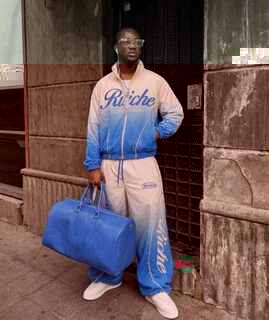
Rich Clothing Manufacturer works with USA-based streetwear brand owners on custom hoodies, tracksuits, oversized tees, and private label apparel, with transparent fabric specs and sampling before any bulk commitment.
👉 Chat on WhatsApp: +92 318 6629029
This WhatsApp number is Rich Clothing Manufacturer’s official business line.
]]>